If you’re shopping for weight management tea, prices can look confusing fast. One brand promises quick results, another highlights “natural” ingredients, and a third seems to sit in the middle of the road price-wise with fewer claims. The trick is to buy based on what you can actually control, dose and ingredients, not just what sounds good on the front of the box.
I’ve helped friends compare options at the grocery store and online, and the pattern is always the same: the best value is rarely the cheapest per box, and the most expensive tea doesn’t automatically mean better. Let’s break down how to shop smarter, so you can get a tea that fits your routine and your budget.
What drives weight management tea prices?
When you compare weight management tea prices, you’re usually comparing several different cost drivers at once. Understanding them helps you spot when you’re paying for something you won’t feel in your day-to-day use.
1) The type of tea and how it’s packaged
Loose-leaf tea, tea bags, and concentrated blends tend to land in different price ranges. Tea bags are convenient, but you’re often paying for portioning and packaging. Loose-leaf can offer good value if you’ll actually brew it fully and measure it consistently.
Concentrated blends or “shots” cost more upfront, but they may be easier to dose. The downside is that you can end up finishing the package faster if you don’t stick to the label’s serving size.
2) Ingredient quality and sourcing
Labels that highlight specific herbs or blends typically cost more when the ingredients are more premium or more tightly specified. That can be a good thing, but only if it translates into a usable serving size for you.
A common real-world issue is this: some teas include multiple herbs, but the amount of each one can be small. The blend can still be enjoyable, but it may not deliver the effect people expect, especially if they’re comparing it to another tea with a more straightforward ingredient list.
3) Compliance, testing, and transparency
Some brands invest more in quality controls and clearer labeling, like ingredient callouts and serving guidance. Even when the label doesn’t use flashy language, more transparency often correlates with a higher price point.
I usually recommend treating transparency like a “feature.” You might not think about it when you buy, but it matters when you’re trying to stay consistent and avoid surprises.
4) Where you buy it
Where to buy slimming tea changes the price, even when the product looks identical. Retailers may bundle promotions, online listings can vary by seller, and shipping can flip the “best deal” into the worst one once you factor in total cost.
How to compare teas beyond the sticker price
Price per box is a starting point, not the finish line. To find best value weight management tea for your routine, you want to compare cost per cup, cost per serving, and how the tea fits your schedule.
A simple way to calculate value per cup
Look for a label number like “servings per container” and the suggested serving size. Then do this mental math:

- Total price ÷ number of servings = cost per serving
If two teas both say they make 30 servings, but one costs $18 and the other costs $26, the $18 tea is already the clearer value. The tricky part is when serving sizes differ. One tea might recommend two tea bags per cup, another might use one. Consistency matters.
What to check on the label before you buy
When I’m helping someone choose, I focus on the basics that affect real usage and results, not marketing language. Here are the label points that matter most:
Suggested serving size and brewing time Ingredient list and whether it’s clear what’s inside Serving frequency guidance Any cautions or contraindications on the packaging Taste profile, since you need to drink it consistentlyTaste sounds small, but it’s one of the biggest deal-breakers. If a tea tastes like a swampy herbal mix, people stop after a few days. Weight loss teas only help if they become part of your routine, not a short-lived experiment.
Picking a weight management tea that matches your routine
A tea can be reasonably priced and still be the wrong choice if it doesn’t match how you live. Weight loss isn’t one-size-fits-all, and tea is more like a daily support tool than a magic switch.

Timing and consistency
Some people want tea in the morning because it fits with breakfast habits. Others prefer it later in the day. If you’re shopping based on effect, timing can matter to how you feel during the day, especially if your tea contains ingredients that naturally influence energy or digestion.
If your goal is steady habit building, pick a tea you can brew and drink without fuss. I’ve seen people abandon expensive teas simply because they took too long or required a different brewing method they didn’t want to manage.
Flavor and strength, not just claims
“Weight management” blends can vary a lot in flavor intensity. A stronger tea might feel more satisfying, but it could also be harder to drink daily if it’s too bitter.
If you’re starting out, consider choosing a tea with a flavor you can tolerate at full strength. If it’s too intense, you might reduce the amount or steep time, but then you’re no longer matching the intended serving guidance. That’s not automatically wrong, but it changes how you should compare value.
Practical example: budgeting for a 30-day run
Let’s say you want to try a tea for a month to see if it supports your routine. Two teas might both be “weight management” blends:
- Tea A: $20 for 30 servings, $0.67 per serving Tea B: $30 for 30 servings, $1.00 per serving
If Tea A fits your taste and you can follow the recommended serving size, Tea A is the straightforward best value. If Tea B tastes better and you drink it consistently, you might choose it despite the higher per-serving cost. That’s the real decision, not the price alone.
Where to buy slimming tea, and what to watch for
You usually have three main options: buying locally, buying from a major online retailer, or buying direct from a brand. Each has pros and trade-offs.
Local stores can be convenient if you want to check packaging details in person and avoid shipping costs. Online shopping is often where you’ll find wider variety, including different tea formats and bundle deals.
When you’re deciding where to buy slimming tea, pay attention to two things: total cost and seller reliability. “Cheap” listings can turn expensive after shipping, taxes, or subscription fees. Also, third-party sellers sometimes vary in freshness and packaging condition, which matters for herbal products.
Quick buying checklist for safer, smarter purchases
- Compare total price including shipping Confirm the product is the exact same size and serving count Check the label for clear ingredient and serving guidance Look for credible customer support options Avoid listings that change the serving instructions from the standard packaging
If you’re buying for the first time, it can also help to avoid wildly discounted products that look “too good to be true.” Consistency and correct serving guidance are part of the value you’re paying for.
Balancing cost, expectations, and results in 2026
No matter what you pick, it helps to set realistic expectations. Tea can support your weight loss plan, but it can’t replace the basics that actually move the needle: food choices, movement, sleep, and stress management.
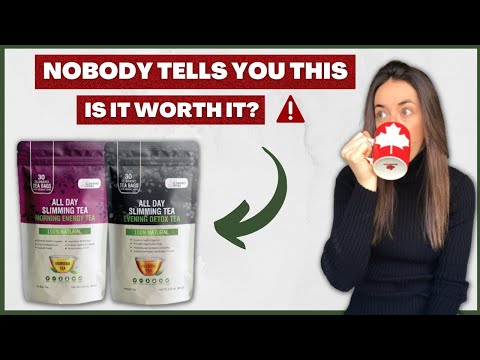
From a buying perspective, I recommend thinking of weight management tea prices All Day Slimming Tea review 2026 like you’re investing in a habit. If you spend less but never drink it consistently, you lose the value you thought you were getting. If you spend more but find a blend you genuinely enjoy and can brew on schedule, you may get better results simply because you follow through.
If you want a simple rule: choose the tea you’ll use correctly and continue drinking. Then make sure the best value weight management tea price you find aligns with that reality. That combination, habit + correct serving + a price you can sustain, is what turns a purchase into a routine you can actually keep.